
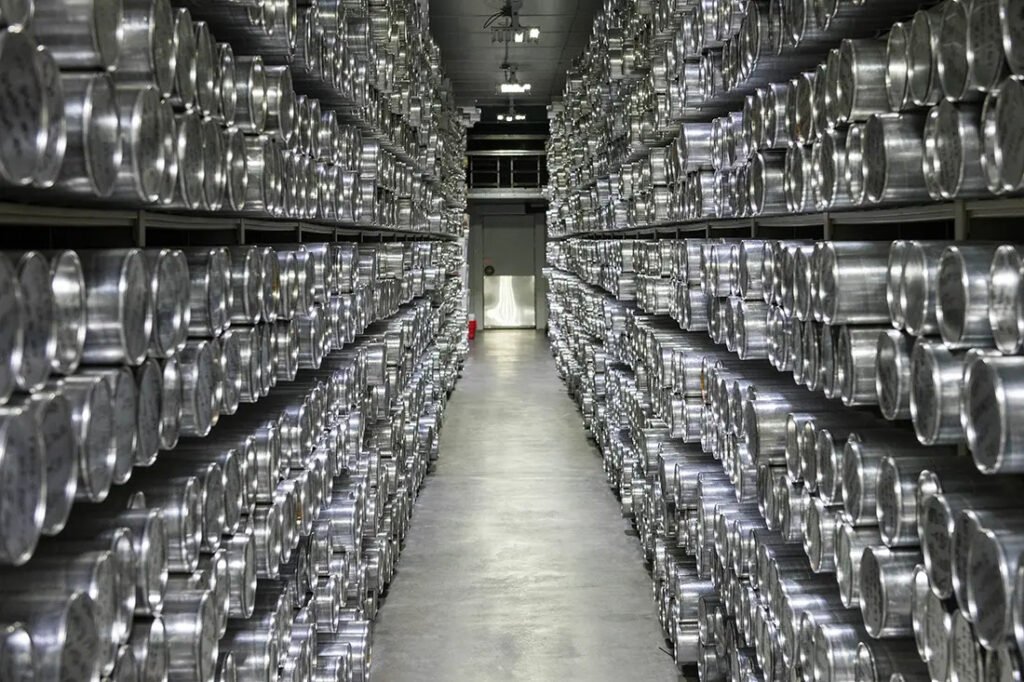

Denver is known for sunshine, mountain views, and craft beer. But tucked away in the city is a fascinating place few visitors know about — the Ice Core Lab Denver. This facility stores ancient ice samples that reveal Earth’s climate story.
What Makes This Frozen Archive Unique?
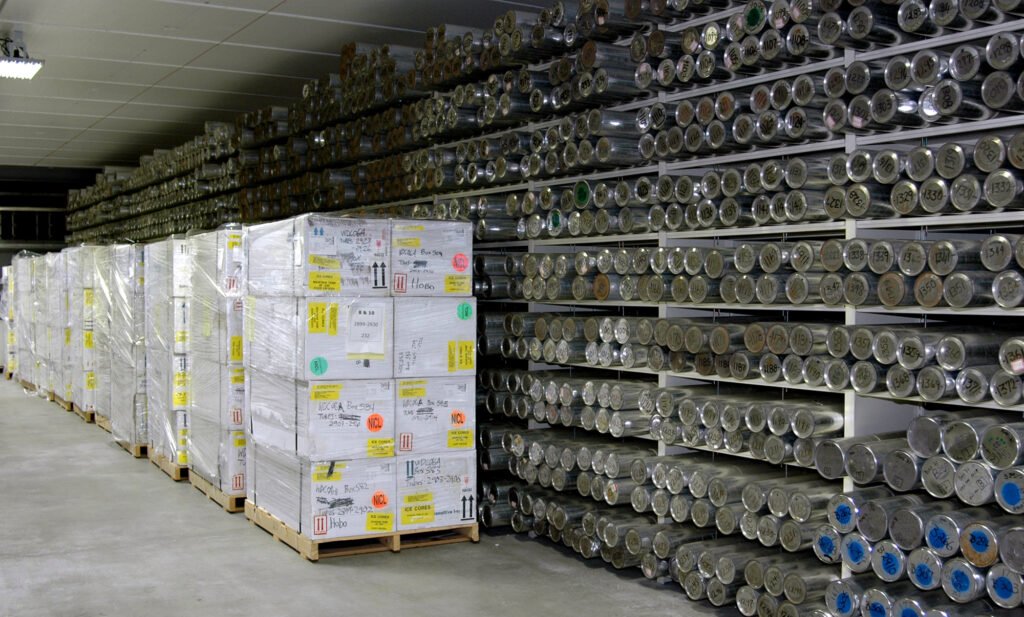
The National Ice Core Lab (NICL) is part research center, part time capsule. Inside freezers chilled to minus 36 degrees Fahrenheit, scientists keep long cylinders of ice drilled from Greenland and Antarctica. Tiny bubbles inside each core hold a frozen record of past climates.
For anyone interested in science or history, this is one of Denver’s coolest hidden treasures.
Can You Visit the Ice Core Lab Denver?
The lab isn’t a typical museum, so public access is limited. Occasionally, schools and research groups can tour the facility. Even if you can’t step inside, it’s still worth knowing Denver is home to such cutting-edge science.
Pair your visit with other nearby highlights, like the Denver Museum of Nature & Science or Red Rocks Amphitheatre. Travelers can also stretch their budget with rewards programs like Hilton Honors or Marriott Bonvoy.
Why Climate Research in Denver Matters
Ice cores aren’t just frozen water. They record volcanic eruptions, greenhouse gases, and shifts in weather patterns. The research here helps scientists study the past and better understand Earth’s future.
More Things to Do Near Denver’s Science Spots
For more unique ideas, check out our guides on Things To Do Guide, including Best Museums in the U.S. and Unique Things To Do in Colorado.
When it’s time to unwind, stream documentaries and shows on Paramount+.
Resources for Travelers and Entrepreneurs
Small business owners can learn smart website and marketing tips from the Map It Media Podcast.
And if you’re planning a wedding or event in Colorado, the Mobile Beauty Team is a trusted choice for on-location hair and makeup.
Final Thoughts on Denver’s Hidden Science Lab
The Ice Core Lab Denver might not be on every travel itinerary, but it’s one of the city’s most remarkable places. Science lovers and curious travelers alike will appreciate its role in unlocking Earth’s climate history.
Sometimes the coolest experiences are literally the coldest.